YMCA Chiangmai operates across Northern Thailand, working to strengthen communities, develop youth leadership, and promote sustainable social development.
YMCA Saohin, a branch office of YMCA Chiangmai, is committed to advancing the “Sustainable Planet” initiative. It works to address the global climate crisis through local action by combining participatory learning with environmental conservation activities.
The initiative aims to empower youth, schools, and local communities to become active stewards and protectors of natural resources and the environment.
Take Care of Our Planet Earth
Conserve and Protect Our Natural Resources
Empower Communities
Build Strong and Sustainable Communities
Learn & Act
Learn & Act for Sustainable Change
A Better Future
Create a More Sustainable Way of Life
Key Missions and the Sustainable Development Goals (SDGs)
YMCA Saohin operates as a non-governmental organization (NGO) committed to environmental conservation and building knowledge and understanding to support community adaptation. We respond to the growing climate crisis through a range of activities, including training seminars, workshops, and youth camps.
Our programs and activities align with the United Nations Sustainable Development Goals (UN SDGs), with a particular focus on goals related to the planet and the environment.
Green Ambassadors Training Program
Launched in 2017 in close collaboration with the Asia and Pacific Alliance of YMCAs (APAY), the program serves as an important regional mechanism for advancing climate action. It brings together collective efforts to support the YMCA’s commitment to becoming a carbon-neutral organization by 2030 through the adoption of green policies and the development of sustainable mechanisms that promote environmentally friendly lifestyles.
This training program is open to all sectors and focuses on broad participation. Participants include:
YMCA Leaders and Staff
Emerging staff, volunteers, youth leaders, and senior YMCA leaders from across the Asia-Pacific region and beyond.
Education Sector
Students and teachers from both local and international schools
Community & Civil Society
Local community leaders, representatives from government agencies, NGOs, and environmental networks interested in and committed to building collaboration on climate change
Training
Serves as a bridge between in-depth theoretical knowledge and hands-on field experience, ensuring that participants are equipped with the knowledge, skills, and tools they need to return to their communities and create meaningful change in their own contexts.
Key activities include learning from expert speakers who share the latest information and updates on the global climate crisis, with in-depth discussions on its current causes, impacts, risks, and practical responses.
In addition, representatives from YMCAs and participating schools have the opportunity to share their organizations’ Good Practices, providing examples and practical approaches that other participants can learn from and apply in their own contexts.
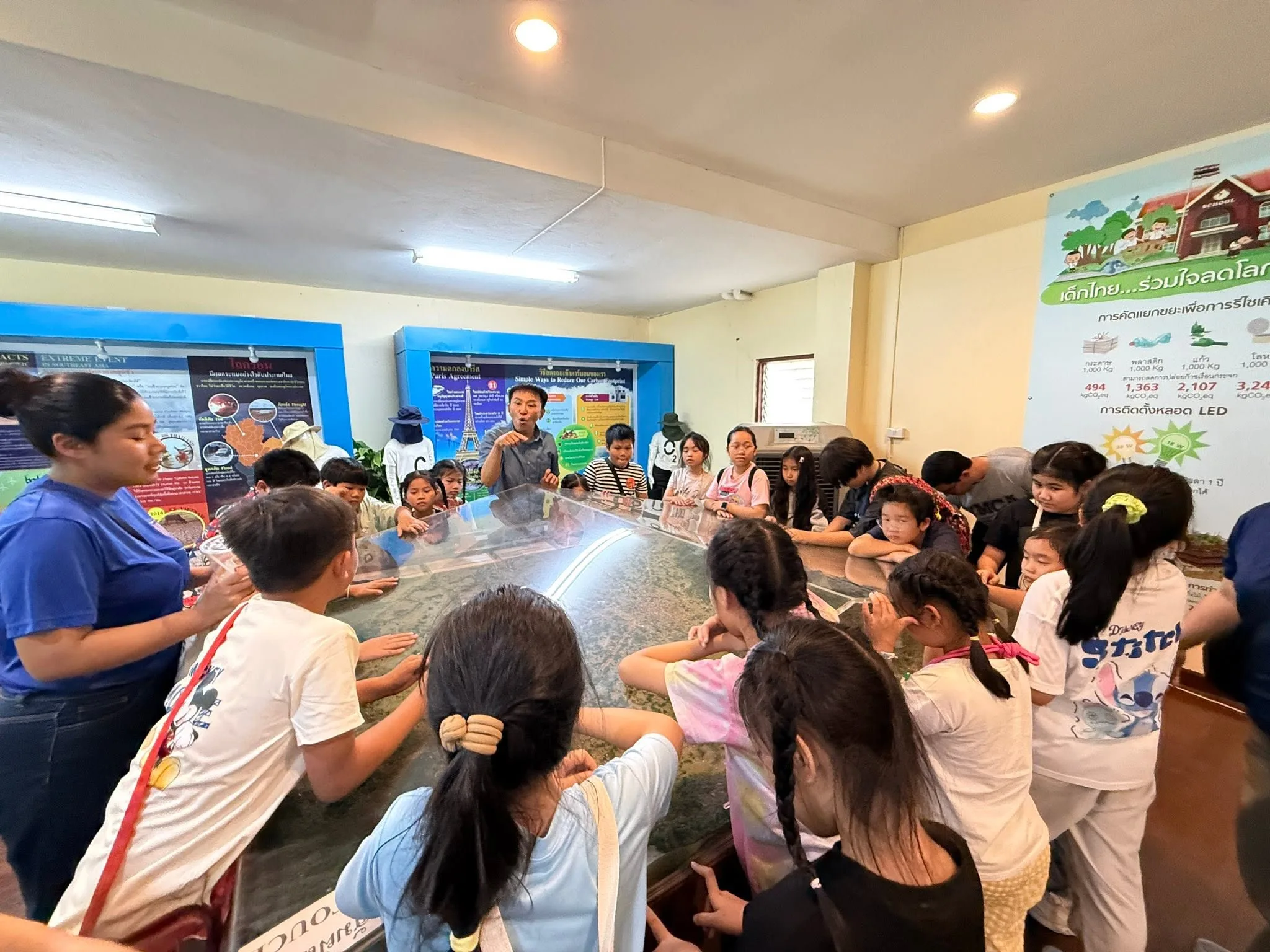
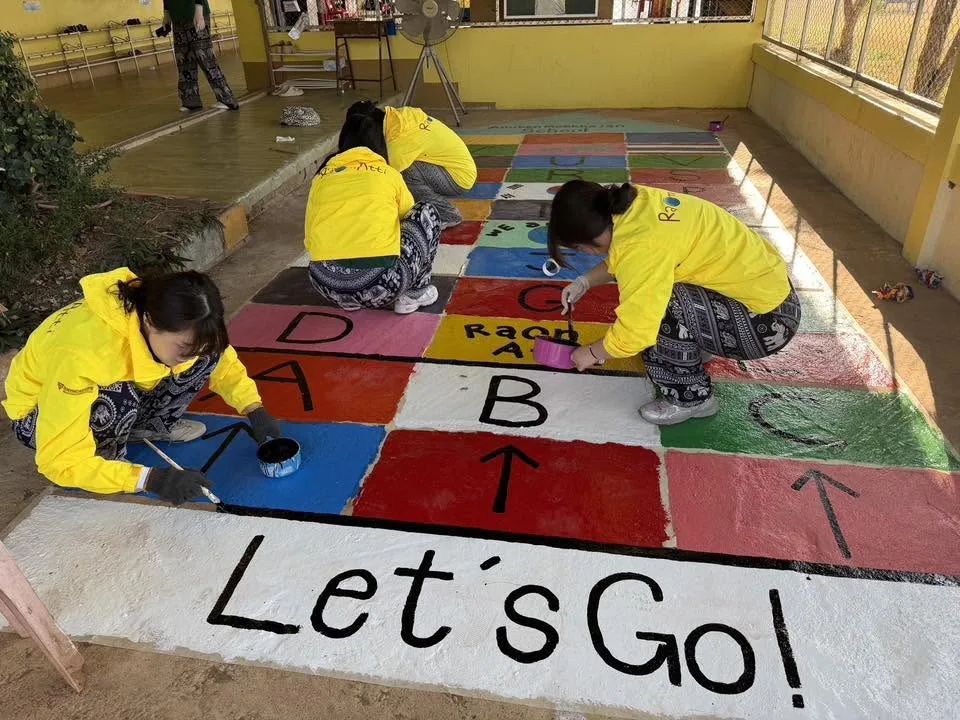
During the training, participants will visit the YMCA Saohin Energy and Environmental Conservation Learning Center, as well as other learning sites. They will also take part in field activities that provide hands-on experience in various areas, including organic farming, check dam construction, forest restoration, and the application of environmentally friendly innovations.
Towards the end of the training
Participants will develop Green Action Plans, (Green Action Plans) with guidance on drafting and developing Localized Green Action Plans tailored to the needs and context of their local communities. The plans will focus on:
Expand Environmental and Climate Change Education to Youth and Local Communities
Systematic Waste Reduction and the Elimination of Single-Use Plastics and Other Single-Use Items
Adopting Alternative Energy, Improving Energy-Efficient Systems, and Implementing Water Conservation Systems
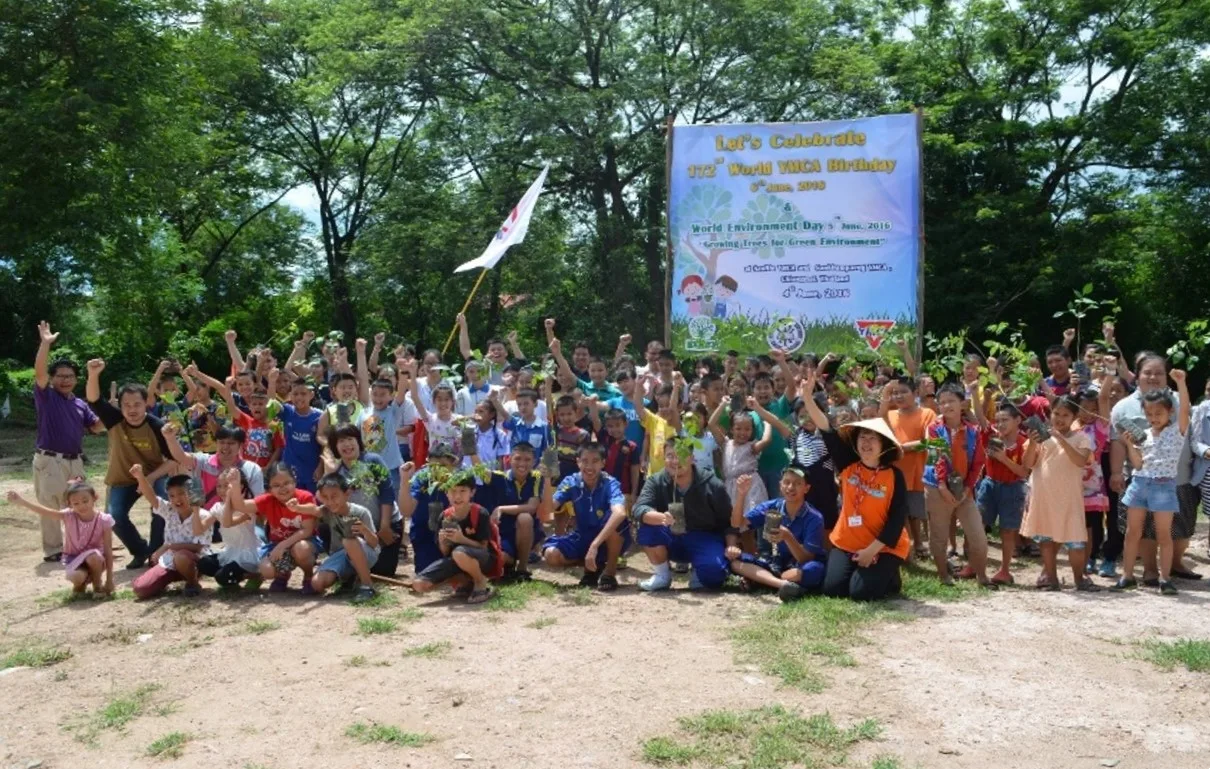
Expand Green Spaces and Carbon Sinks through Large-Scale Tree-Planting Campaigns to Work Together Towards a Net-Zero Future