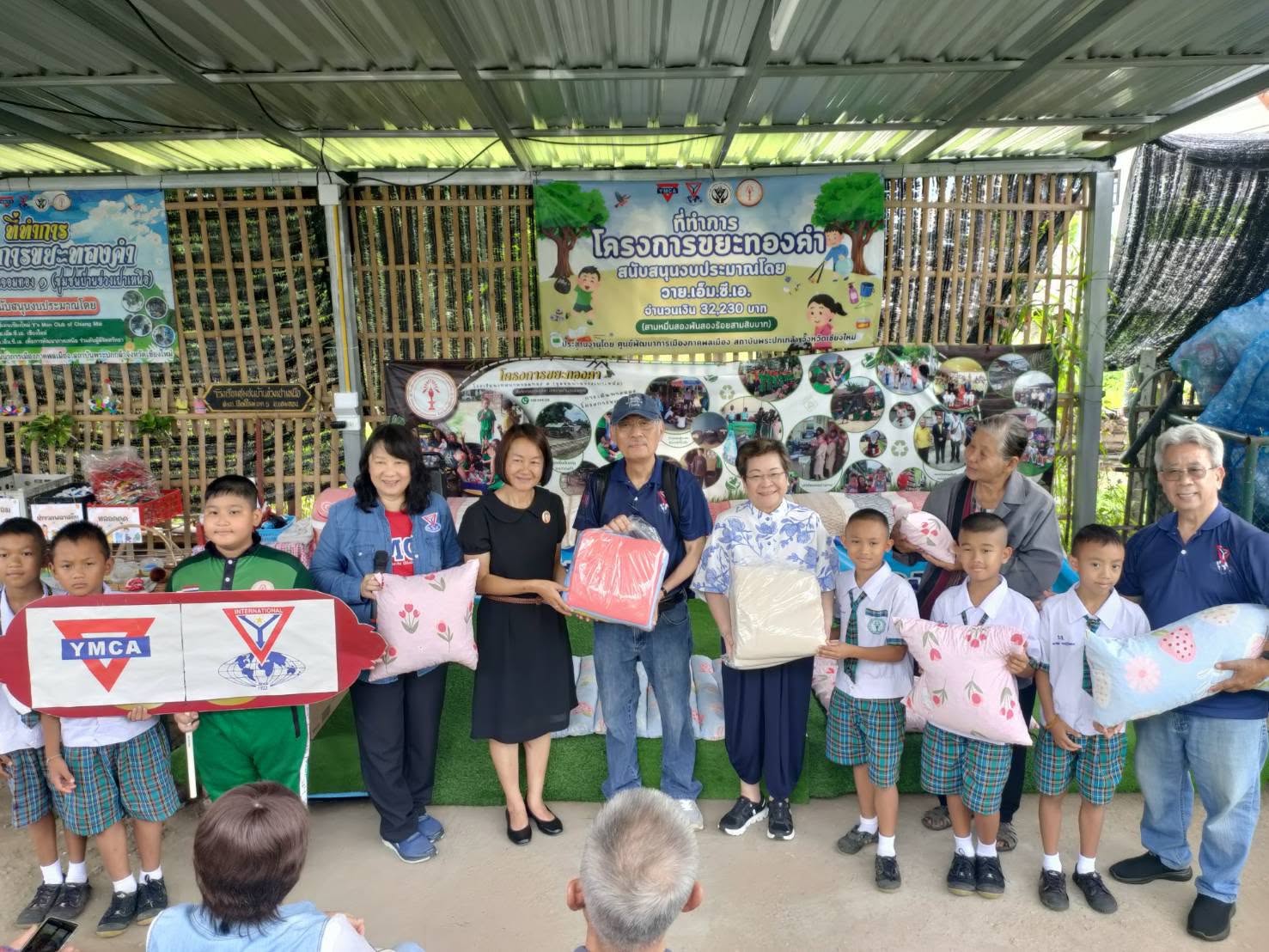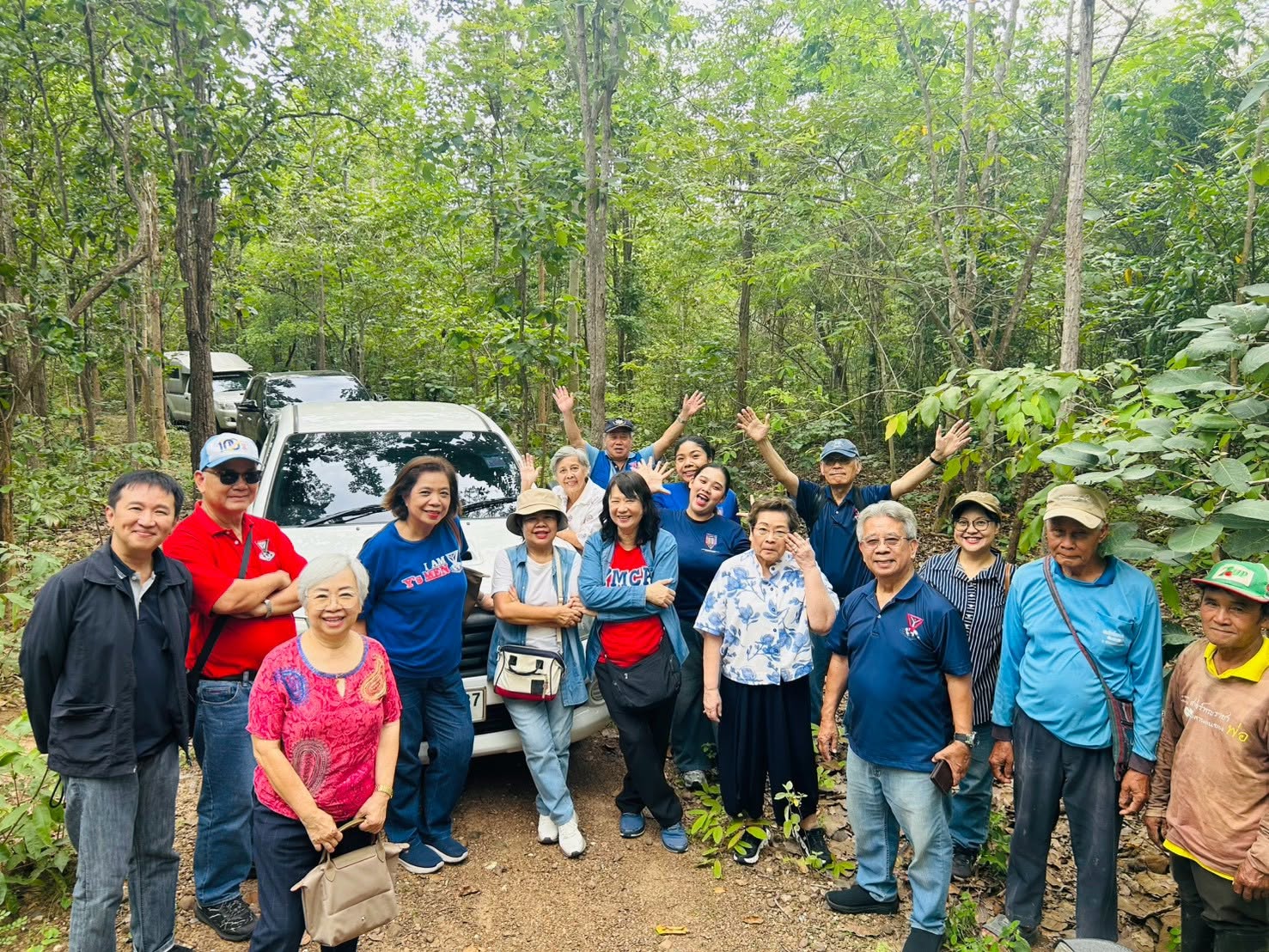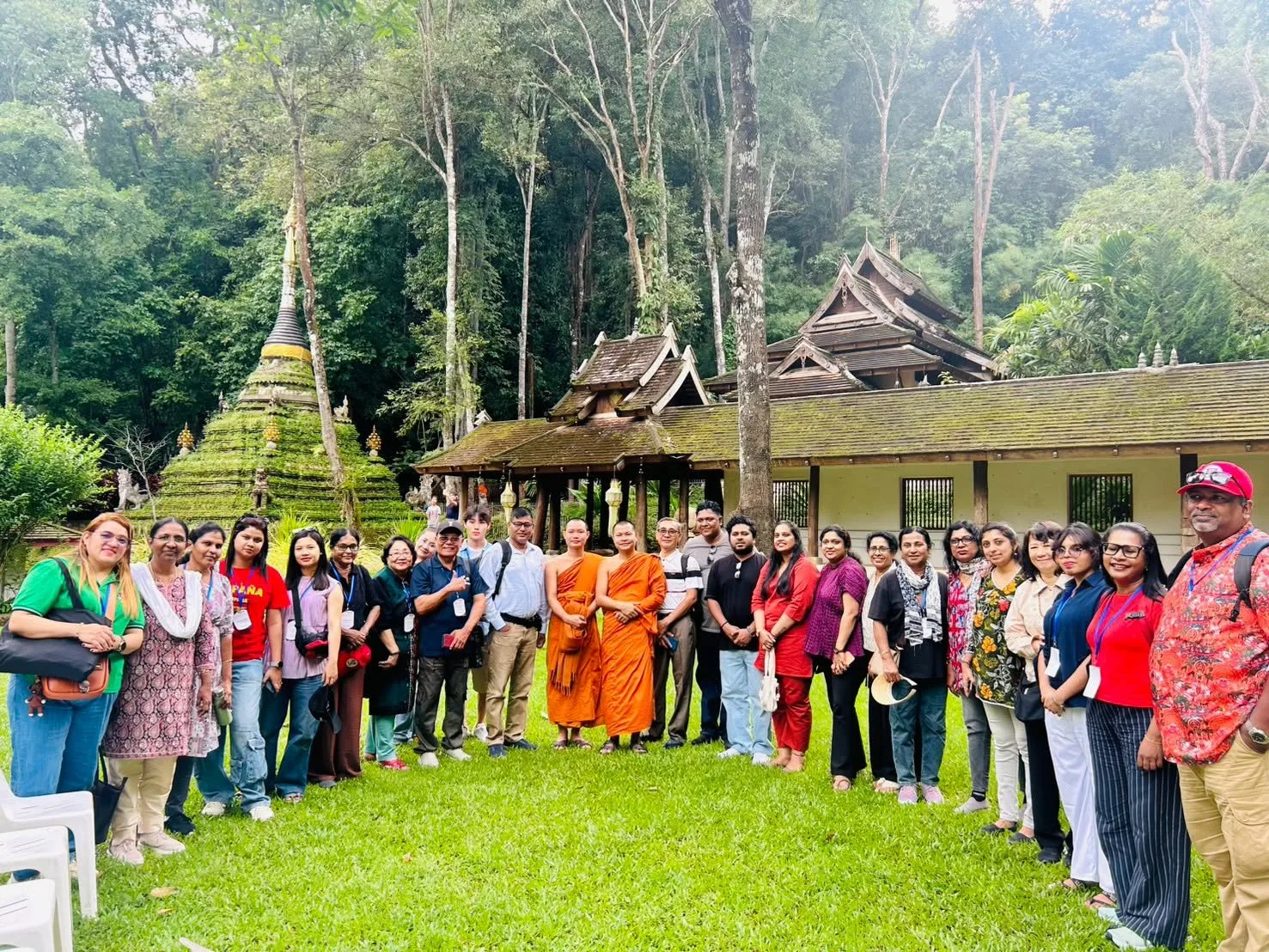


On 11 August 2026, the YMCA for Northern Development Foundation, together with Y’s Men, visited Chom Thong District, Chiang Mai Province, to promote collaboration in the development of schools, communities, and the environment under the Chiangmai Green Partnership Model.
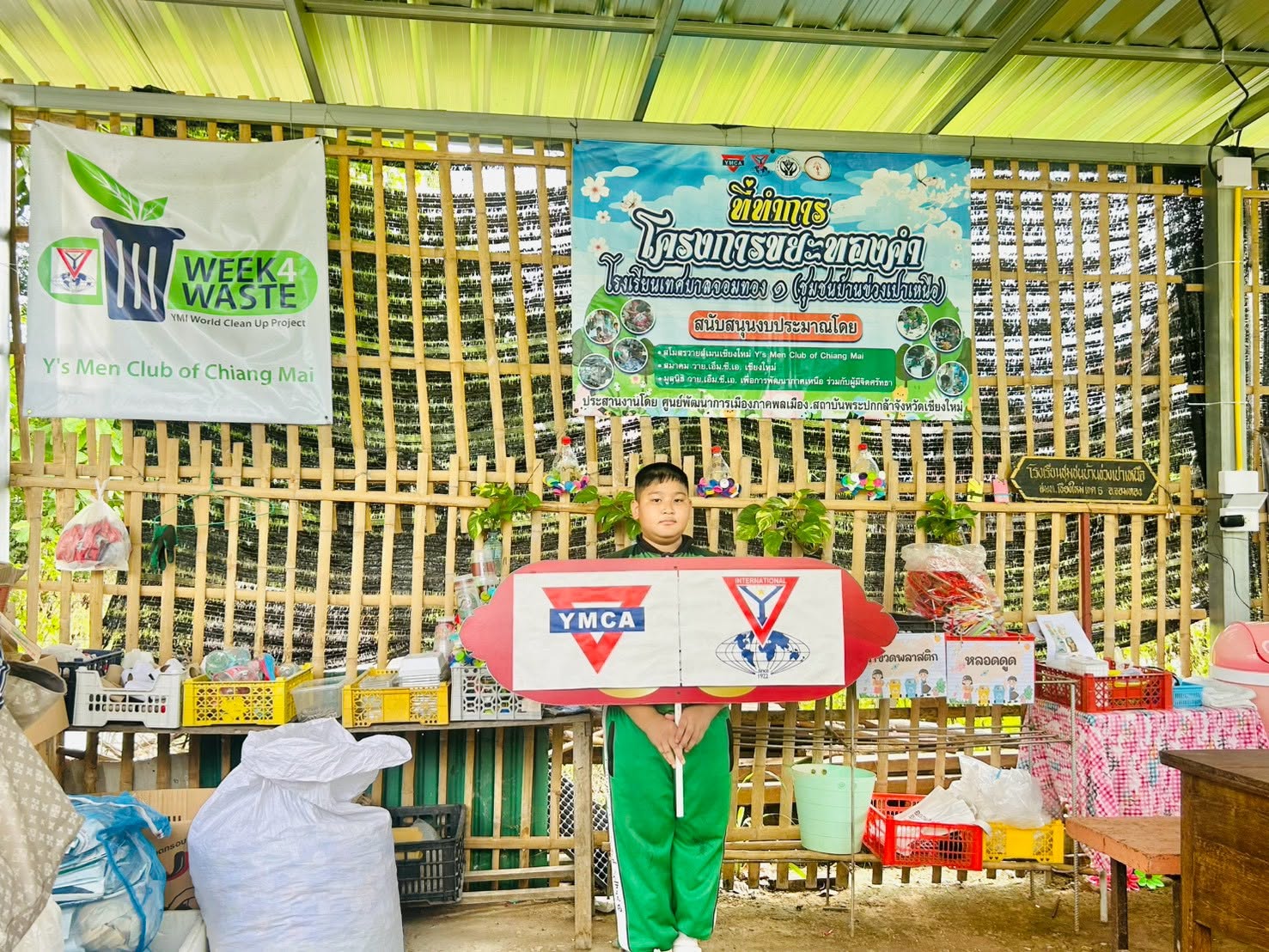
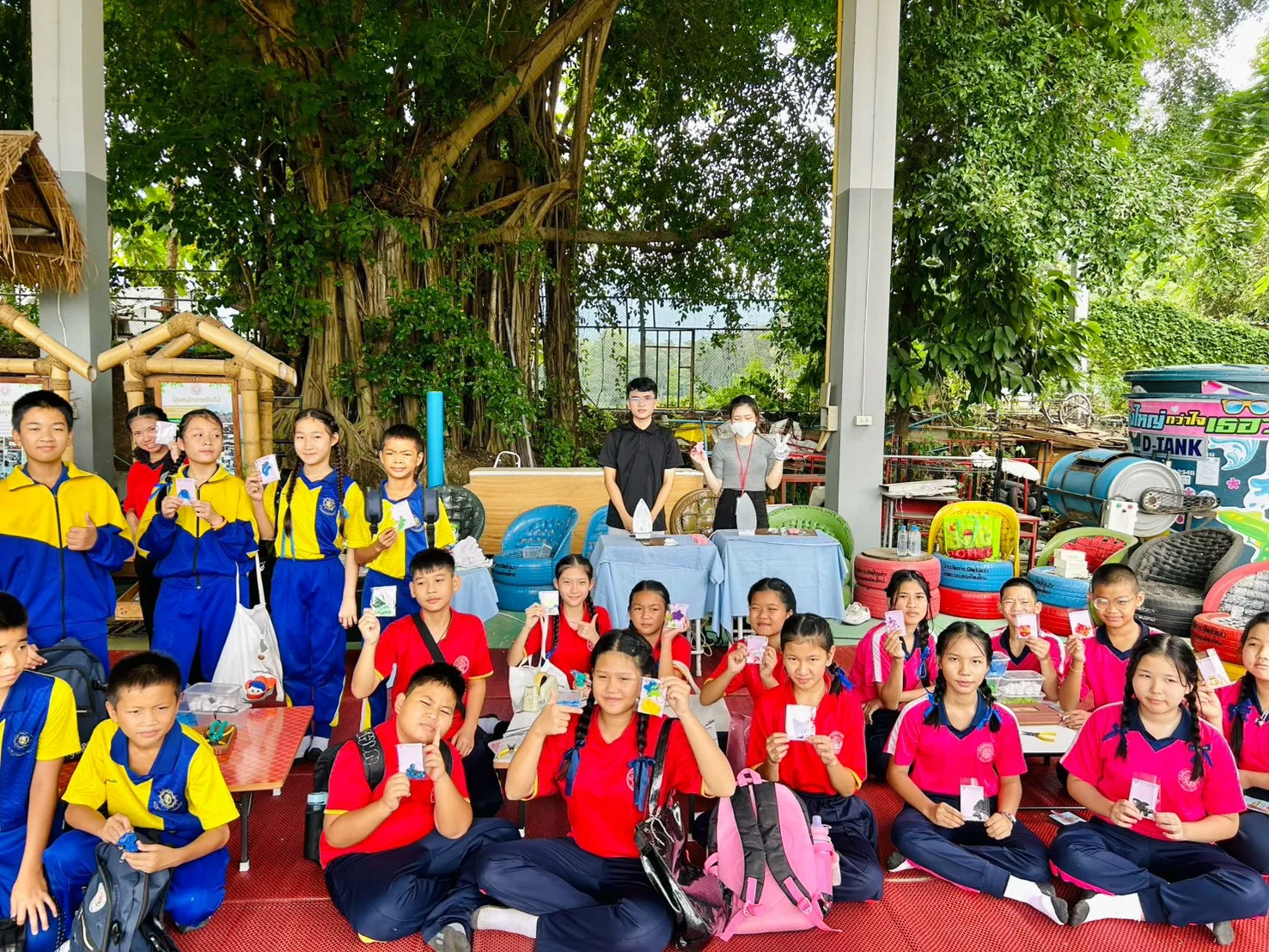
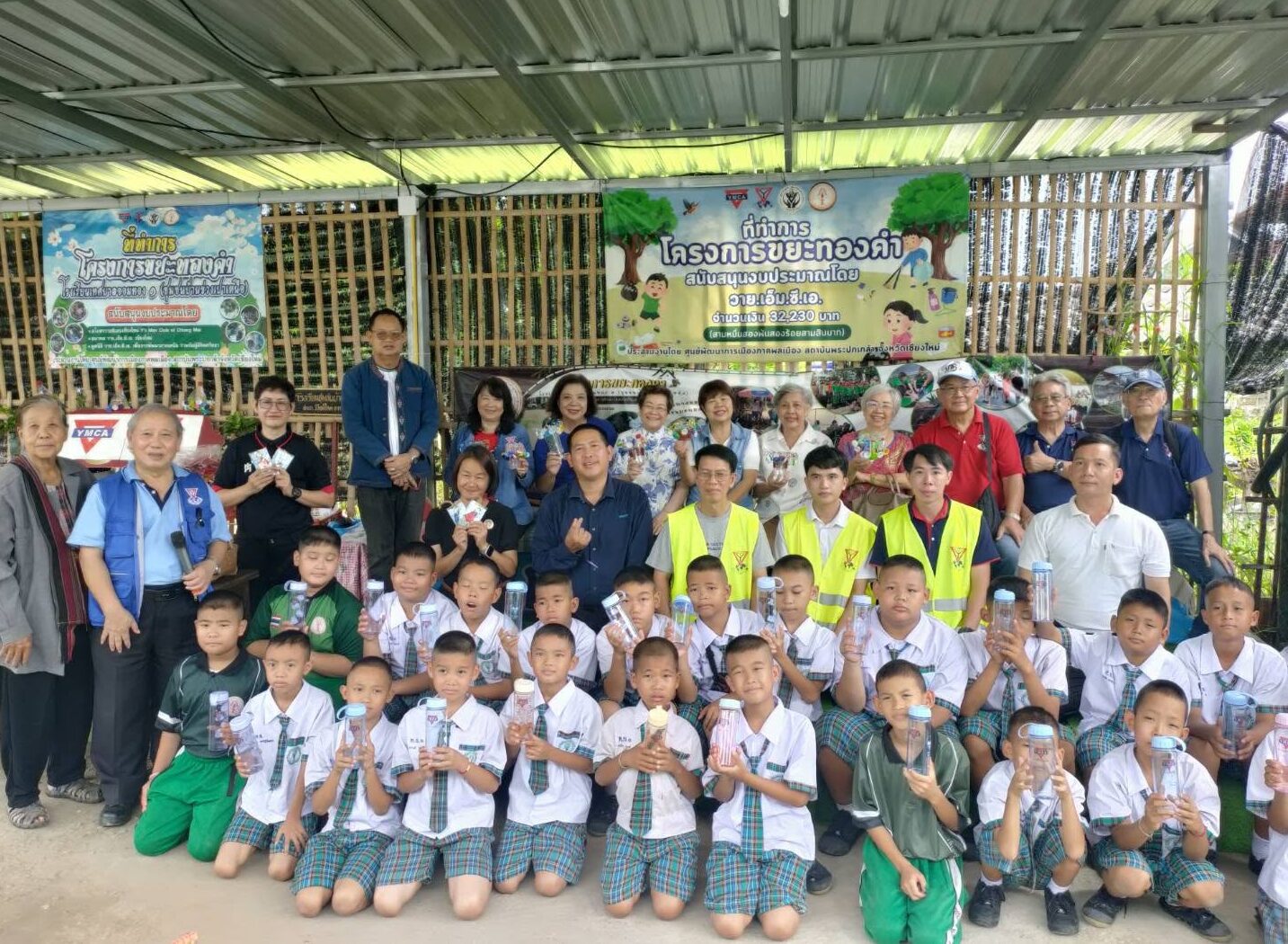
The delegation visited Chom Thong Municipality School 1 and met with teachers and student representatives. Under the “Gold Waste” Project, the delegation donated essential supplies and provided snacks for the students to support environmental learning and waste management in schools.
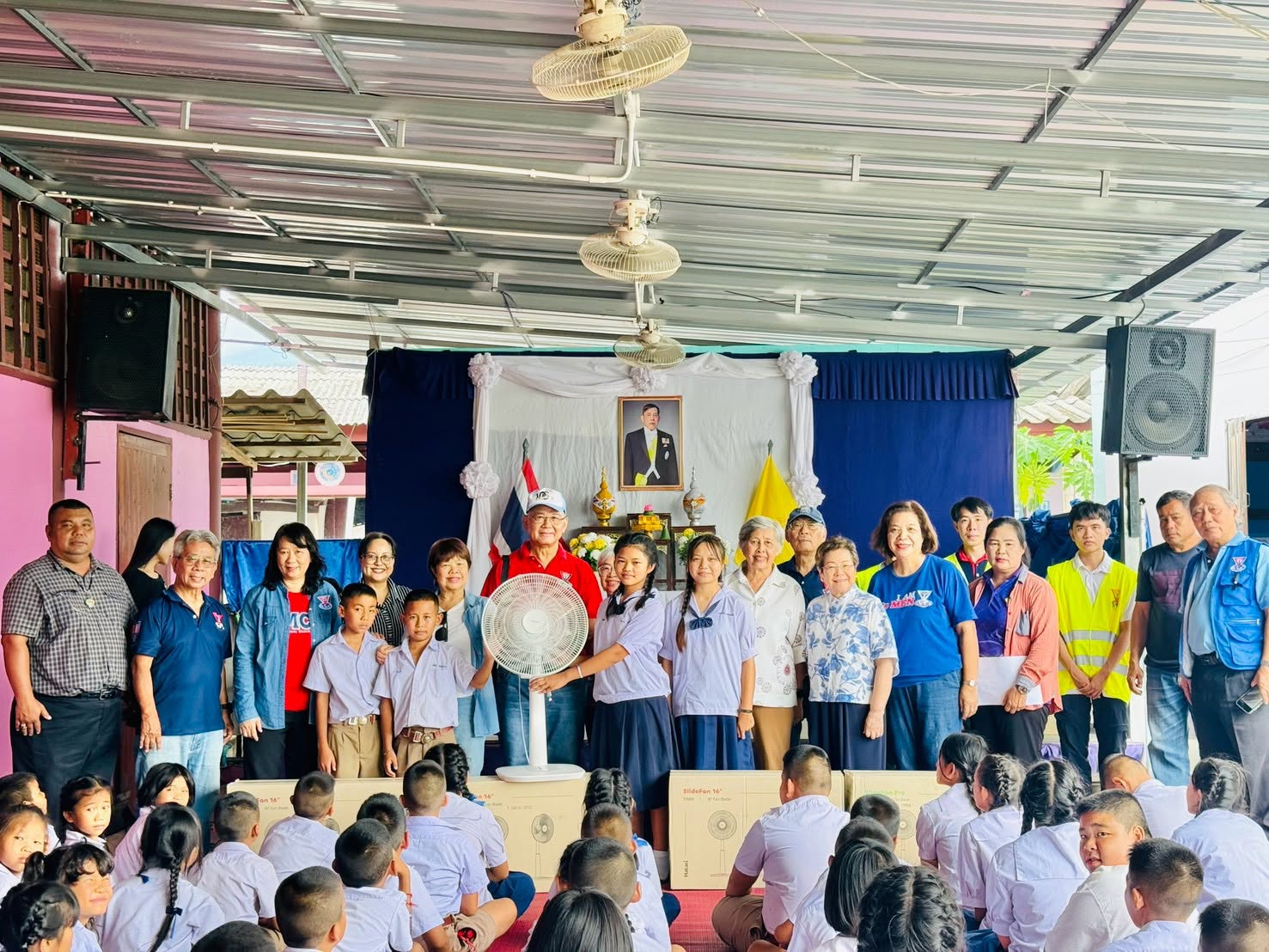
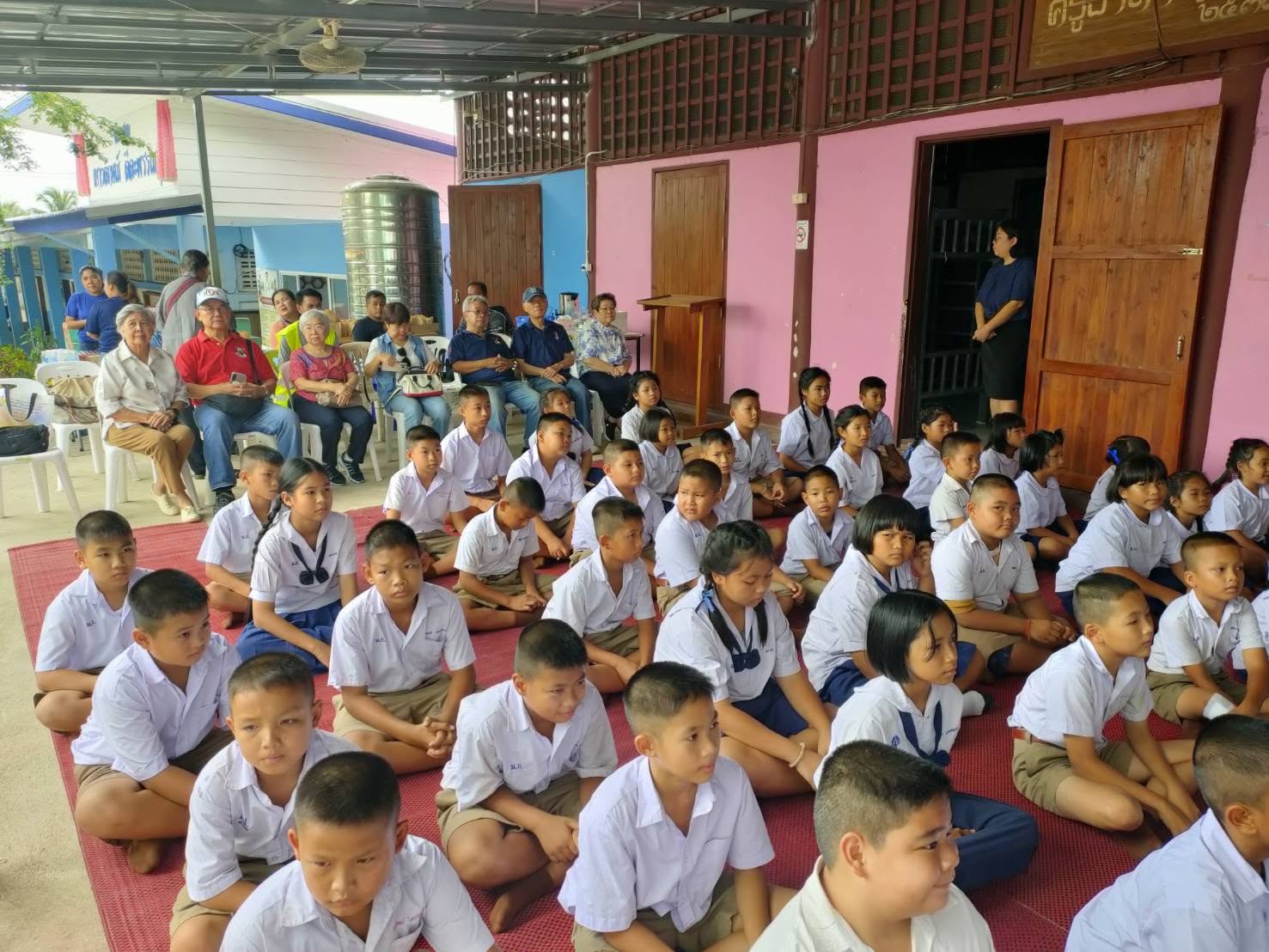
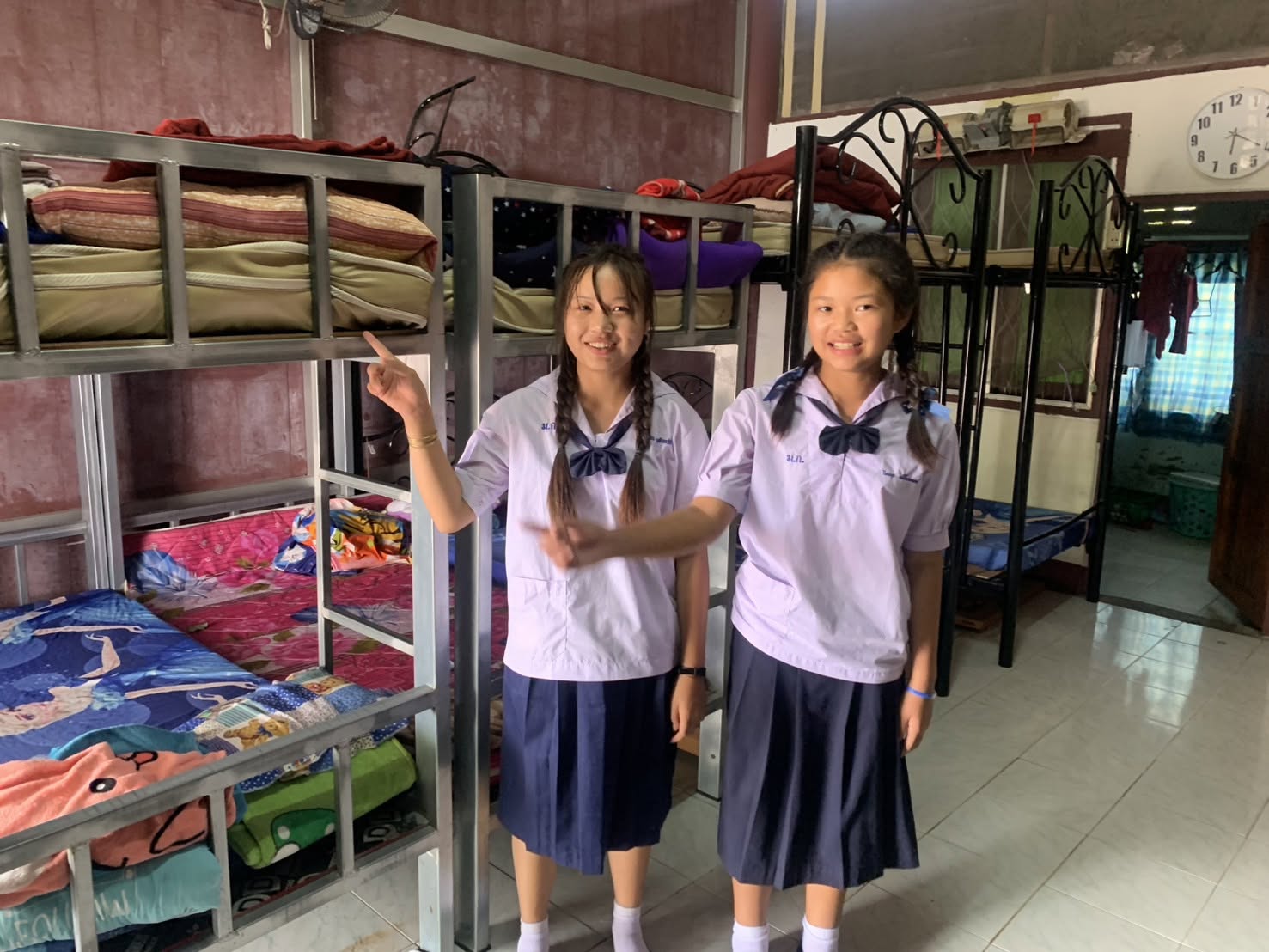
The delegation then traveled to Ban Mueang Klang School, Ban Luang Subdistrict, Chom Thong District, Chiang Mai Province, where they met with teachers and community representatives. Five fans were donated to support teaching and learning and provide a more suitable learning environment for students. Snacks were also provided to the students.
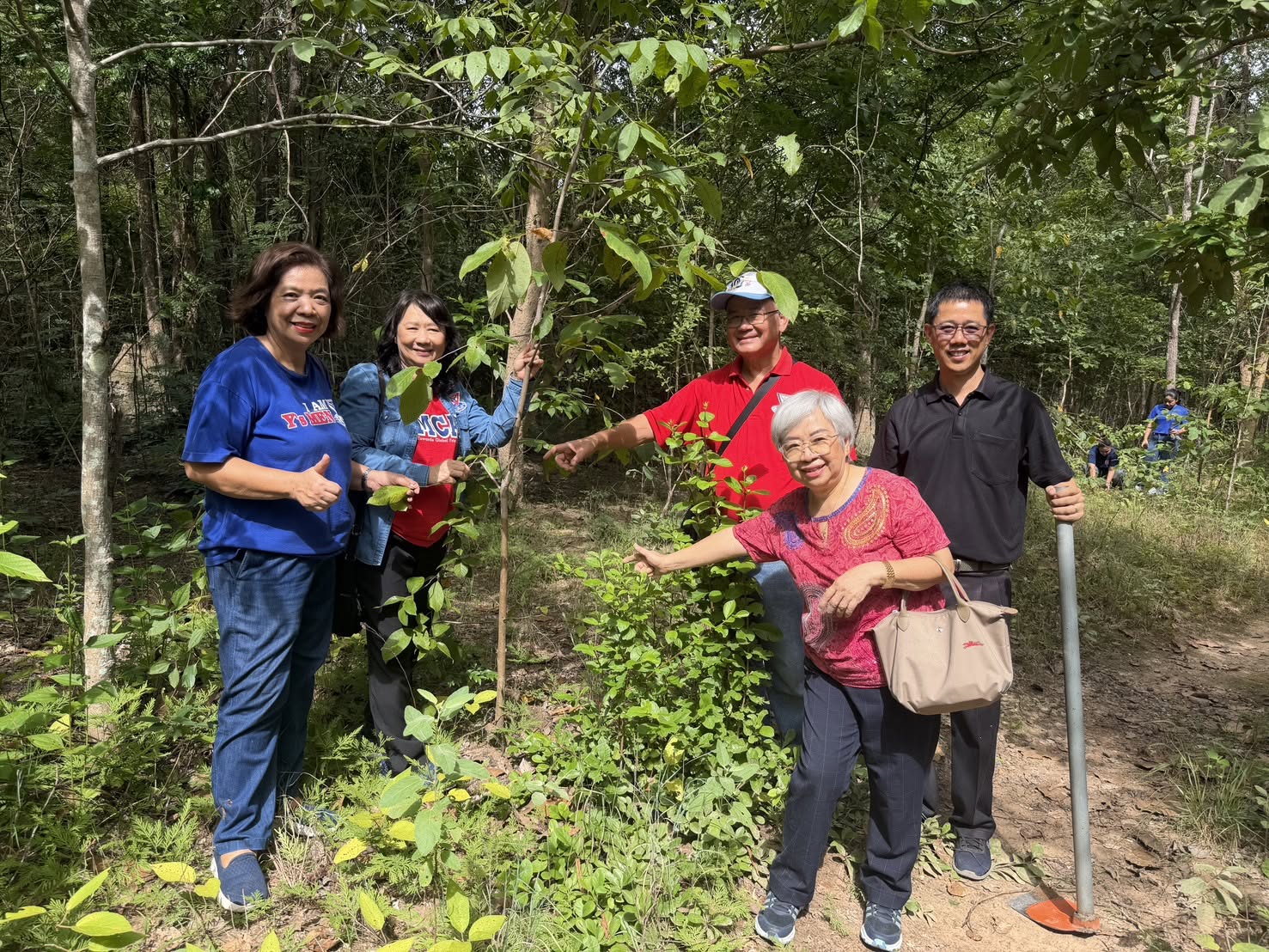
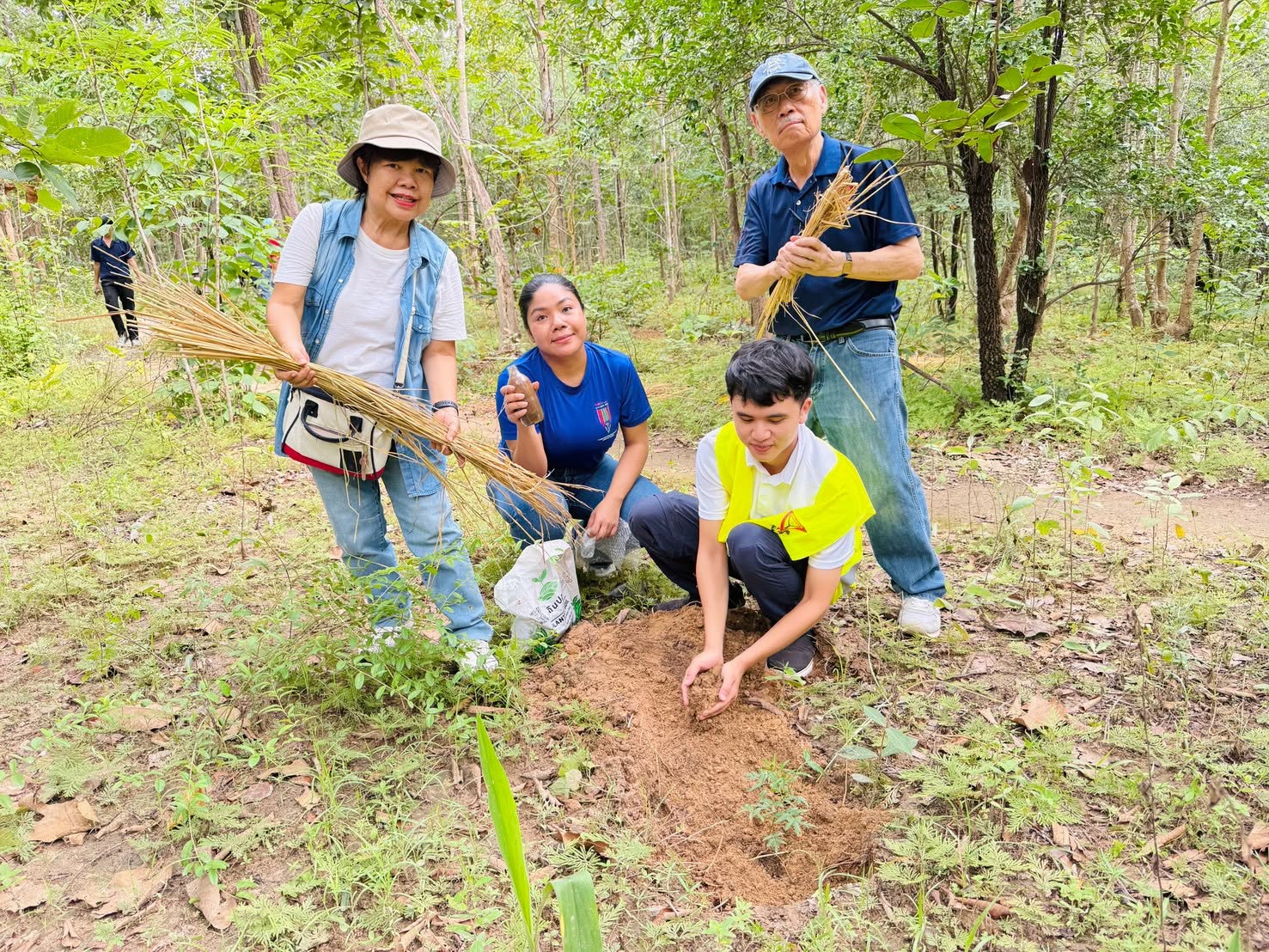
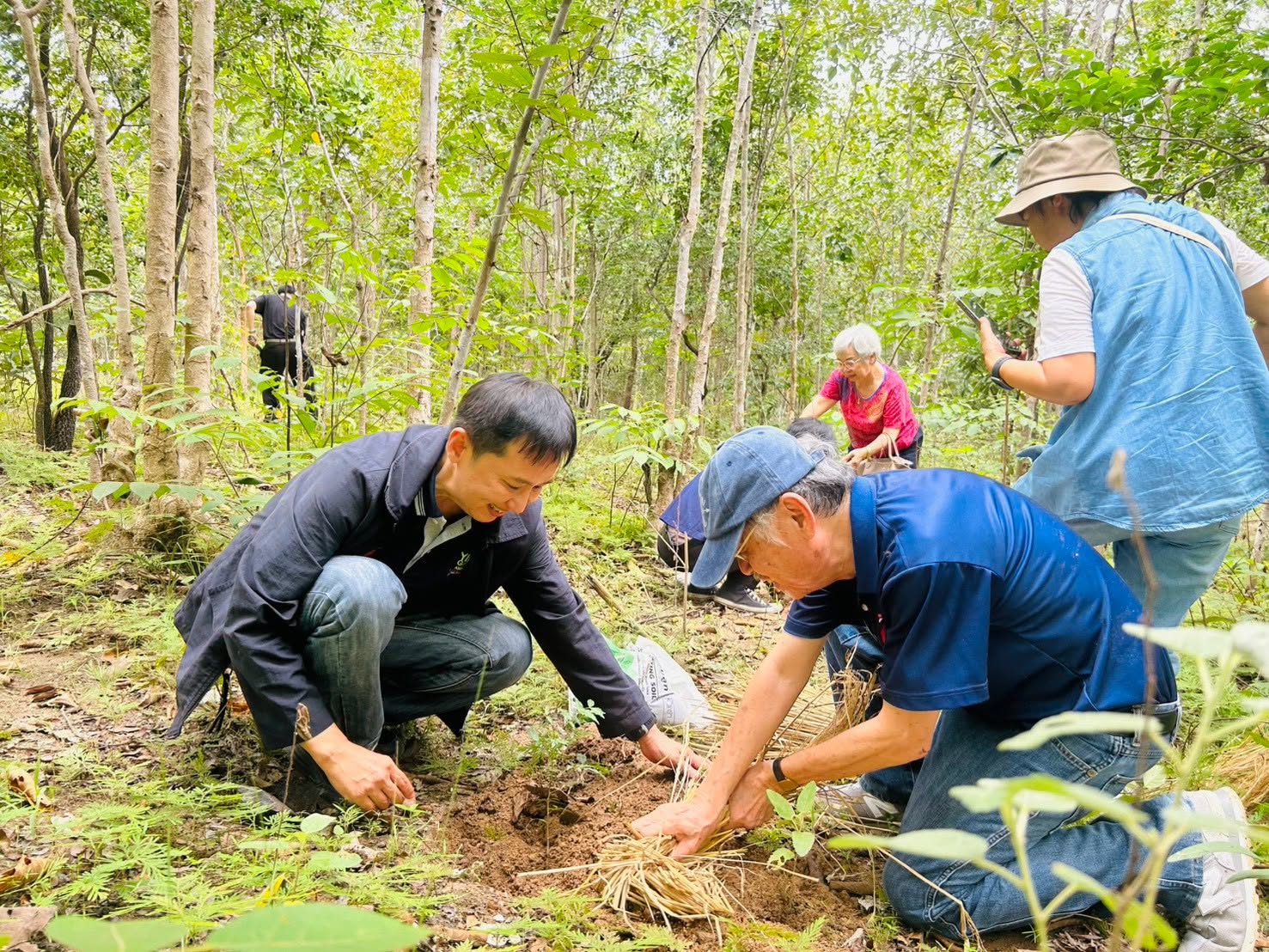
In the afternoon, the delegation joined a tree-planting and environmental restoration activity in Ban Rai Dong, Ban Luang Subdistrict, Chom Thong District, Chiang Mai Province.
Together with representatives from San Pa Tong Wittayakom School and the local community, the participants learned about the community’s natural resource management practices and visited 32 check dams, which help store and slow water flow. These check dams help ensure water availability during the dry season, reduce the severity of floods and forest fires, increase moisture in the area, and support the restoration of forest ecosystems.
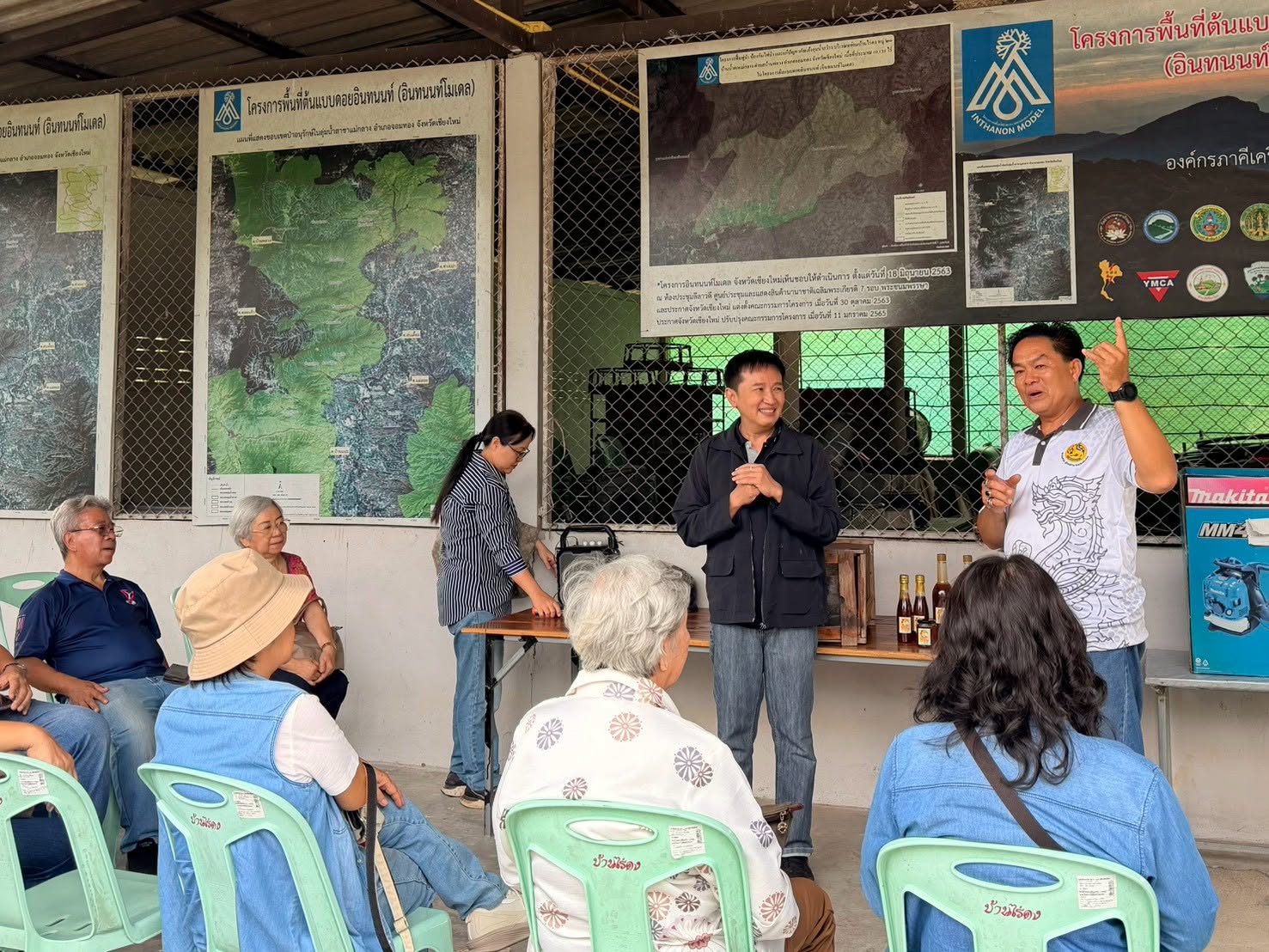
The community also shared approaches to creating livelihoods and generating income from natural resources, including promoting the growth of wild mushrooms and raising Asian honey bees (Apis cerana) in dry dipterocarp forests. These activities demonstrate how local communities can make sustainable use of ecosystem resources while conserving them, with forest products providing opportunities to generate income.
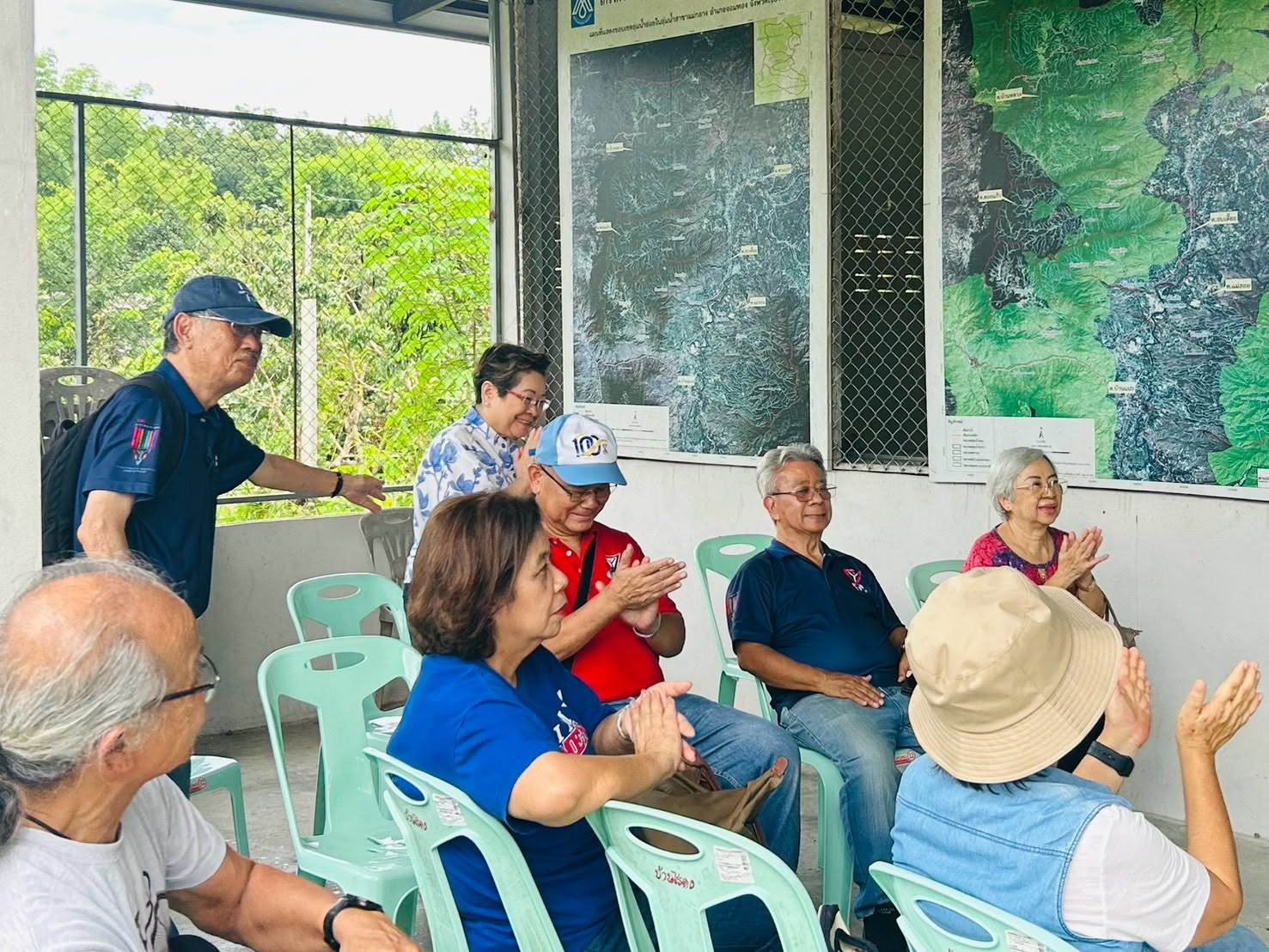
The visit also provided an opportunity to listen to ideas and development approaches from representatives and community leaders of Ban Rai Dong. Discussions covered forest restoration, increasing moisture in the area, and developing community products and activities to create livelihoods and income. These efforts can contribute to continued and sustainable community development.